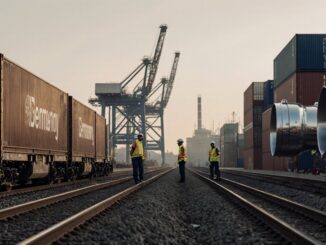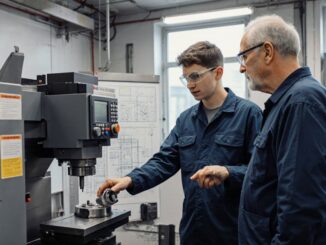

Skilled workers underpin Germany’s production, innovation, public services, and export capacity as demographic aging tightens labor supply. Shortages in health care, skilled trades, IT, logistics, and education delay projects, raise overtime costs, and leave capital underused. Qualified technicians, engineers, and digital specialists help firms adopt automation and meet global demand. Expanding apprenticeships, reskilling, credential recognition, and targeted immigration can improve matching and productivity. The broader economic stakes become clearer across the sectors most affected.
Germany’s Skilled Worker Shortage Explained
Germany’s skilled worker shortage reflects a structural mismatch between labor demand and the available workforce. Demographic aging is reducing the number of entrants to employment while retirement increases, tightening labor supply across the economy. Federal employment data consistently show high vacancy levels in occupations requiring vocational credentials, technical expertise, and advanced qualifications.
The gap is not solely a question of headcount. Employers report difficulties matching vacancies with applicants who possess current certifications, digital capabilities, language skills, or regionally available qualifications. Apprenticeship systems remain central to Germany’s workforce model, yet declining applicant numbers, training-place mismatches, and changing career preferences limit their capacity to replenish skilled labor.
Policy responses thus focus on faster recognition of foreign credentials, targeted immigration pathways, expanded training participation, and measures supporting longer working lives. Better childcare, retraining support, and digitalized placement services can also raise labor-force participation and improve matching. These reforms address economy-wide constraints without reducing the issue to sector specific shortages alone.
Industries Most Affected by Labour Gaps
Labour gaps are most acute in health and social care, skilled trades, construction, information technology, transport and logistics, and education, where vacancies often require formal qualifications and cannot be readily filled through automation or short-term hiring. Demographic ageing is intensifying healthcare demand, particularly for nurses, geriatric carers, physicians, and therapeutic staff. Hospitals and care providers face persistent recruitment pressures, while training capacity and recognition procedures limit rapid replacement.
In construction and skilled trades, shortages affect electricians, plumbers, welders, and technicians, delaying projects and maintenance work. Transport operators report deficits of truck drivers, rail personnel, and warehouse specialists, compounded by shift patterns and retirement. IT staffing shortages are concentrated in software development, cybersecurity, data analysis, and systems administration. Schools and childcare services also lack teachers and educators, especially in technical subjects and underserved regions. Targeted training, faster credential recognition, improved working conditions, and regionally coordinated recruitment remain central policy responses.
How Skilled Workers Power Economic Growth
Skilled workers raise productivity by applying specialized expertise, accelerating innovation, and improving the adoption of new technologies. Their availability also fills critical vacancies in manufacturing, health care, engineering, and digital services, limiting output losses from labor shortages. Policies that expand training, recognition of foreign qualifications, and targeted immigration can consequently strengthen Germany’s export capacity and global competitiveness.
Driving Innovation And Productivity
A highly trained workforce is central to Germany’s innovation capacity and productivity growth, particularly in advanced manufacturing, engineering, digital services, and the energy transformation. Skilled employees translate research into commercial processes, operate complex equipment, and improve production quality through continuous problem-solving. Their expertise supports higher value added per hour worked, helping firms remain competitive despite rising energy, financing, and input costs.
Workforce planning enables employers, unions, training providers, and public authorities to align qualifications with technology investment and industrial policy. Targeted upskilling in automation, software, battery systems, and energy efficiency can accelerate adoption while protecting job quality. Talent retention is equally important: stable employment, credible career pathways, and accessible lifelong learning help preserve institutional knowledge. Policies that strengthen vocational education and workplace training thus raise productivity while supporting resilient, innovation-led growth.
Filling Critical Labor Gaps
Germany’s economy faces acute labor shortages in occupations essential to growth, including nursing, construction, information technology, engineering, transport, and skilled trades. Demographic ageing is shrinking the available labor pool while demand for care services, housing, infrastructure, and digital systems continues to rise. Unfilled positions delay projects, increase overtime, and constrain service capacity, particularly in smaller firms and rural regions. Effective workforce planning can identify regional shortages, forecast replacement needs, and coordinate employers, schools, and public employment services. Policy measures should accelerate recognition of foreign qualifications, reduce administrative barriers to recruitment, and expand language and integration support. Stronger training pathways, including apprenticeships, reskilling programs, and employer-led certification, can move workers into shortage occupations more quickly. Sustained investment in retention, safe working conditions, and accessible childcare is also necessary to expand labor-force participation.
Strengthening Global Competitiveness
As global competition intensifies, Germany’s economic performance depends on a sufficiently large supply of qualified workers to raise productivity, develop advanced technologies, and sustain export-oriented industries. Labour Shortages in engineering, information technology, healthcare, and skilled trades can constrain investment, delay production, and weaken firms’ capacity to meet international demand. Expanding vocational training, accelerating recognition of foreign qualifications, and improving pathways for Global Talent would strengthen workforce availability in high-value sectors. Employers also require predictable immigration procedures, targeted language support, and measures that increase participation among women, older workers, and underemployed residents. A deeper skilled-labor base supports research commercialization, digital transformation, and energy-transition projects. These policies would help German companies preserve technological leadership, improve output per worker, and maintain competitiveness in global markets while supporting stable employment and public revenues.
Skilled Workers, Innovation, and German Exports
Germany’s export competitiveness depends on skilled workers who translate research, engineering, and advanced manufacturing capabilities into high-value products. Persistent labor shortages can constrain industrial innovation, production capacity, and firms’ ability to meet demand in global markets. Workforce training, targeted immigration, and stronger vocational education accordingly remain central policy tools for sustaining German market leadership.
Driving Export Competitiveness
Skilled workers underpin Germany’s export competitiveness by supplying the technical expertise needed to design, produce, and maintain high-value manufactured goods. Their roles across engineering, machining, logistics, quality assurance, and industrial maintenance help firms meet export demand reliably, particularly in automotive, machinery, chemicals, and electrical equipment.
Labor shortages can constrain output even when foreign orders remain strong. Unfilled technical vacancies raise delivery risks, increase overtime costs, and weaken the resilience of each supply chain. Vocational training, targeted immigration pathways, faster recognition of foreign qualifications, and retention measures can consequently support export capacity.
Policy also matters for regional manufacturers and suppliers, which depend on specialized occupations that are difficult to replace quickly. Expanding apprenticeship places, improving continuing training, and supporting workforce participation can help preserve production reliability, delivery performance, and Germany’s position in global markets.
Advancing Industrial Innovation
Industrial innovation depends on a workforce able to translate research, digital tools, and production expertise into commercially viable products. Germany’s manufacturing base relies on technicians, engineers, software specialists, and skilled tradespeople to shorten development cycles and integrate new processes. Labor shortages can delay automation projects, limit capacity to adopt artificial intelligence, and weaken collaboration between research institutes and factories. Apprenticeship reform can address these constraints by updating curricula in robotics, data analysis, cybersecurity, and energy-efficient production. Employers, vocational schools, and regional governments must coordinate training standards and expand access for mid-career workers. Investment in digital manufacturing also requires workplace learning, not only capital equipment. Policies that support reskilling, qualified immigration, and stable vocational funding can broaden the talent pipeline, helping firms convert technical advances into productivity gains and higher-value industrial output.
Strengthening Global Market Leadership
As export competition intensifies, Germany’s global market leadership increasingly depends on the availability of qualified workers who can develop, produce, and service advanced goods at scale. Manufacturing exports rely on engineers, technicians, software specialists, and skilled tradespeople to sustain quality, delivery reliability, and continuous product improvement.
- Automation specialists help firms raise productivity while protecting high-value domestic production.
- Export-oriented SMEs need multilingual sales, maintenance, and digital logistics staff.
- Vocational training links labor supply directly to industrial demand.
Persistent shortages can delay investment, constrain capacity, and weaken global competitiveness in machinery, vehicles, chemicals, and medical technology. Policy should expand training places, speed recognition of foreign qualifications, improve childcare access, and target immigration toward bottleneck occupations. These measures support workforce participation and preserve Germany’s economic leadership in increasingly technology-intensive export markets.
What Unfilled Skilled Jobs Cost Germany
Germany’s shortage of qualified workers is imposing measurable costs on output, investment, and public finances, with employers leaving positions vacant in sectors central to economic growth. Manufacturing, construction, health care, information technology, and transport face delayed projects, reduced service capacity, and slower adoption of new technologies when firms cannot staff essential roles.
These vacancies create productivity losses beyond the unfilled post itself. Existing employees absorb additional workloads, overtime rises, and specialized equipment or capital may remain underused. Smaller firms, which often lack spare staffing capacity, can lose contracts or postpone expansion. Persistent shortages also weaken supply chains and constrain housing construction, energy-transition projects, and digital infrastructure.
The fiscal effects are similarly significant. Lower employment and business activity reduce income-tax, payroll-tax, and corporate-tax receipts, producing tax revenue impacts while demand for health, unemployment, and social support services remains elevated. Policymakers, as a result, face a labor-market constraint that limits potential growth, complicates budget planning, and raises the cost of delivering public services.
How Training and Immigration Close Gaps
Closing Germany’s skilled-labor gap requires a combined strategy of expanding domestic training pipelines and attracting qualified workers from abroad. Employers report persistent shortages in technical trades, health care, engineering, and information technology, making coordinated labor policy essential. Workforce training can raise productivity by aligning vocational programs, apprenticeships, and employer-led upskilling with verified regional vacancies.
- Expand apprenticeship capacity in shortage occupations through targeted employer incentives and modern equipment.
- Accelerate recognition of foreign credentials, reducing delays that keep qualified applicants outside regulated professions.
- Simplify immigration pathways for workers with validated skills, language support, and confirmed job offers.
Training measures address immediate mismatches among residents and existing employees, while immigration supplies expertise unavailable at sufficient scale domestically. Effective implementation depends on faster administrative processing, transparent qualification standards, and reliable placement services. By linking funding to shortage indicators and employment outcomes, policymakers can direct resources toward sectors where vacancies most constrain output and service delivery.
Building Germany’s Future Skilled Workforce
Building Germany’s future skilled workforce requires long-term investment in early education, vocational pathways, digital skills, and continuous adult learning. Demographic aging is reducing the domestic labor supply, making productivity gains and higher participation rates essential. Policy must strengthen school-to-work shift, expand career guidance, and align curricula with demand in engineering, health care, construction, and information technology.
Apprenticeship systems remain a central labor-market institution, but employers need greater capacity to offer placements, particularly in small and medium-sized firms. Public funding can support training equipment, instructor qualifications, and regional partnerships between schools, firms, and employment agencies. Digital literacy should be integrated across occupations rather than treated as a specialist qualification.
Germany also needs resilient talent pipelines for workers already in employment. Subsidized reskilling, portable training accounts, and recognized micro-credentials can help workers move into expanding sectors. Faster recognition of foreign qualifications and targeted language training would further connect immigration policy with workforce planning and sustained economic competitiveness.

The Work & Careers Editorial Team covers Germany’s labour market and the changing world of work. Topics include skilled workers, employment trends, vocational training, Ausbildung, professional qualifications, immigration, demographics and workplace transformation. The team provides international readers with context on how Germany’s employment and training systems work.