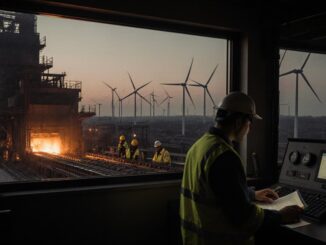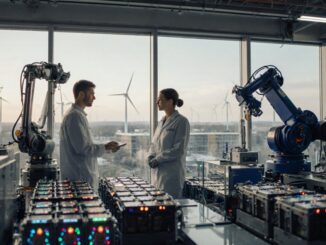
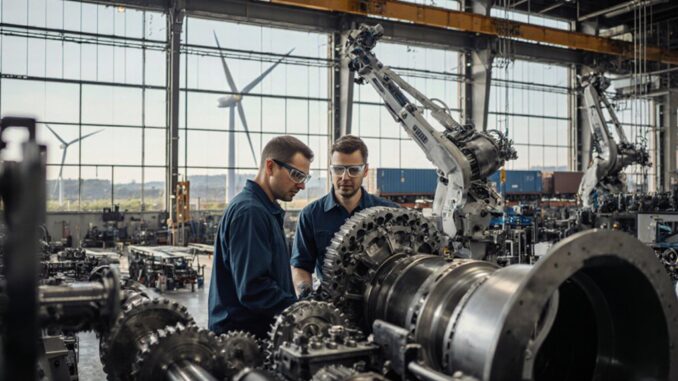
Mechanical engineering is central to Germany’s industrial economy because it supports high-value manufacturing, capital-goods exports, and modern production systems. Its firms supply machine tools, robots, pumps, compressors, and specialized equipment used across automotive, energy, chemicals, and food processing. Germany’s vocational and university pipeline sustains precision skills, while Industry 4.0 adds sensors, digital twins, and predictive maintenance. Efficient machinery also supports lower energy use and emissions. The sections below explain these contributions in greater detail.
Why Mechanical Engineering Matters to Germany
Mechanical engineering is a core pillar of Germany’s industrial economy, underpinning the design, production, and maintenance of machinery used across manufacturing, transport, energy, construction, and automation. Its importance derives from its integration with applied research, industrial standards, and high-value production systems. German firms rely on precision engineering to achieve reliability, efficiency, and repeatable performance in machine tools, process equipment, vehicles, and automated plants. The sector also supports technological modernization by translating scientific advances into deployable industrial components and systems.
Advanced education supplies engineers with capabilities in mechanics, materials science, controls, digital modeling, and production optimization. This technical base enables continuous improvement in product quality, energy use, and operational safety. Workforce diversity broadens available expertise and supports multidisciplinary problem-solving across engineering, software, and manufacturing functions. Increasing use of sustainable materials further aligns mechanical design with resource efficiency, circular production, and lower lifecycle emissions. Consequently, the discipline remains essential to Germany’s industrial capacity, innovation infrastructure, and domestic technological resilience.
Mechanical Engineering’s Role in German Exports
Mechanical engineering underpins Germany’s position as a leading exporter of industrial machinery, production systems, and specialized equipment. Its export strength reflects sustained global competitiveness in precision, reliability, and integrated manufacturing technologies. These high-value goods generate substantial trade revenue while reinforcing Germany’s role in advanced industrial supply chains.
Machinery Export Leadership
Germany’s export performance is closely tied to its machinery sector, which supplies capital goods essential to manufacturing, energy, transport, construction, and process industries worldwide. German producers export machine tools, industrial robots, pumps, compressors, packaging systems, and specialized production equipment with high engineering content. These products enable global manufacturing by improving throughput, quality control, material efficiency, and automation scale. Their value derives less from commodity volume than from integration of software, mechanics, sensors, and process expertise. Precision manufacturing supports reliable performance in demanding operating conditions and allows equipment to meet narrowly specified customer requirements. Machinery exports also strengthen export resilience because demand is distributed across multiple industrial applications and geographic markets. Long equipment lifecycles generate follow-on sales in maintenance, spare parts, upgrades, and technical services, extending export revenues beyond initial deliveries and sustaining industrial linkages.
Global Industrial Competitiveness
Beyond direct machinery sales, the sector reinforces Germany’s global industrial competitiveness by supporting the productivity, quality, and technological differentiation of export-oriented manufacturers. Advanced production equipment enables tighter tolerances, lower defect rates, faster changeovers, and greater automation across automotive, chemical, electrical, and medical-technology supply networks. These capabilities help firms meet demanding international specifications while maintaining reliable delivery performance under cost and capacity pressures. Mechanical engineering also strengthens supply chain resilience through modular systems, predictive maintenance, digital monitoring, and flexible tooling that reduce disruption exposure. Its close integration with industrial users accelerates process improvement and the diffusion of applied engineering knowledge. In addition, sustained demand for design, service, software, and production expertise supports skilled workforce retention, preserving specialized capabilities that competitors cannot rapidly replicate. This embedded technical base improves Germany’s capacity to compete through performance rather than price.
High-Value Manufacturing Trade
As a major supplier of capital goods, the mechanical-engineering sector is central to Germany’s high-value manufacturing exports. It delivers machine tools, production systems, automation equipment, process technology, and specialized components to global industrial customers. Export performance depends less on commodity volumes than on engineering complexity, reliability, customization, and lifecycle services. These characteristics support pricing power and strengthen trade competitiveness in markets where technical standards, precision, and operational efficiency determine purchasing decisions.
The sector also anchors industrial supply chains by linking domestic suppliers of metals, electronics, software, sensors, and advanced materials with international manufacturers. Its exports enable downstream production in automotive, chemicals, energy, food processing, and pharmaceuticals. Foreign sales in turn generate domestic value added beyond final machinery assembly, including research, design, testing, maintenance, and logistics. This export structure helps Germany sustain manufacturing income despite competition from lower-cost production locations.
How Mechanical Engineering Powers German Industries
Mechanical engineering underpins Germany’s industrial capacity by converting scientific and design advances into scalable production systems, high-performance equipment, and reliable infrastructure. It links automotive, chemicals, electronics, construction, food processing, and energy generation through machinery that controls precision, throughput, safety, and material use. German manufacturers depend on automated assembly lines, machine tools, pumps, turbines, compressors, and process-control systems to maintain consistent quality at industrial scale.
In energy-intensive sectors, engineering improvements reduce operating costs through energy efficiency measures such as optimized drives, heat recovery, lightweight components, and digitally monitored maintenance. Mechanical systems also support renewable deployment by enabling wind turbines, hydrogen equipment, grid components, and industrial heat technologies. Circular design strengthens resource productivity by making products and equipment easier to repair, remanufacture, disassemble, and recycle. These capabilities help firms meet environmental requirements while preserving performance and competitiveness. By integrating mechanics, materials science, automation, and data systems, the discipline sustains Germany’s industrial output and technological resilience.
Mechanical Engineering Jobs and Technical Training
Across Germany’s industrial economy, mechanical engineering creates demand for roles spanning product development, production planning, automation, maintenance, quality assurance, and energy-system design. These occupations require competencies in materials science, technical drawing, fluid mechanics, manufacturing processes, measurement systems, and safety regulation. Employment is distributed across large manufacturers, specialised suppliers, engineering consultancies, and plant operators, creating varied career pathways from shop-floor positions to design and project-management functions.
Germany’s dual vocational education system remains central to workforce formation. Apprenticeship training combines company-based practical instruction with classroom study at vocational schools, enabling trainees to acquire recognised qualifications while contributing to production operations. Typical programmes include industrial mechanic, mechatronics technician, toolmaker, and technical product designer. Universities of applied sciences and technical universities extend this pipeline through bachelor’s and master’s programmes focused on engineering analysis, machine design, and industrial management. This layered system supports a skilled workforce able to maintain equipment, improve processes, and meet stringent manufacturing standards.
How Industry 4.0 Transforms Mechanical Engineering
Industry 4.0 is reshaping German mechanical engineering through smart factory automation that links machines, sensors, and production data in real time. Digital twin integration enables engineers to simulate equipment performance and optimize processes before physical implementation. Predictive maintenance systems use operational data to identify failure risks, reducing downtime and improving asset efficiency.
Smart Factory Automation
Smart factory automation is reshaping German mechanical engineering by integrating connected sensors, industrial software, robotics, and data analytics into production systems. Networked equipment continuously captures operational data, enabling automated quality checks, predictive maintenance scheduling, and tighter control of energy consumption. Robotics adoption improves repeatability in welding, assembly, material handling, and precision machining while addressing labor shortages in specialized manufacturing roles. Manufacturing execution systems coordinate machines, operators, and production orders, reducing changeover times and limiting unplanned downtime. Real-time dashboards strengthen supply chain visibility by tracking component availability, work-in-progress, and delivery status across supplier networks. These capabilities allow German firms to produce high-value, customized equipment efficiently while maintaining strict quality standards. Automation also supports resilient operations through rapid process adjustments when demand, material flows, or regulatory requirements change.
Digital Twin Integration
Digital twin integration extends Industry 4.0 by creating dynamic virtual representations of machines, production lines, and complete industrial systems. In Germany, these models combine sensor data, engineering specifications, and operational parameters to simulate performance before physical changes are implemented. Manufacturers can test layouts, validate control logic, optimize energy consumption, and assess material flows within a controlled digital environment. This reduces commissioning risks and supports faster adaptation to customized production requirements. Twin platforms also improve collaboration among design, manufacturing, and quality functions through shared, traceable data models. Effective deployment requires interoperable software architectures, standardized data interfaces, and robust cybersecurity controls. Workforce reskilling is necessary for engineers and operators to interpret simulation outputs and manage connected systems. Regulatory compliance benefits from documented configurations, auditable process changes, and validated digital records across complex industrial operations.
Predictive Maintenance Systems
Predictive maintenance systems apply sensor measurements, condition-monitoring data, and machine-learning models to identify developing faults before equipment failure occurs. In German manufacturing, these systems analyze vibration, temperature, acoustic, pressure, and power-consumption signals from machine tools, turbines, conveyors, and robotic cells. Condition monitoring establishes baseline performance and detects deviations associated with bearing wear, misalignment, lubrication loss, or thermal stress.
Maintenance interventions can thus be scheduled according to actual component condition rather than fixed service intervals. This reduces unplanned downtime, avoids unnecessary parts replacement, and improves spare-parts planning. Integration with digital twins and production-control platforms enables fault predictions to be evaluated against operating loads and production schedules. For export-oriented mechanical engineering firms, predictive maintenance strengthens operational reliability, supports contractual availability targets, and preserves the precision and productivity required in globally competitive industrial supply chains.
Mechanical Engineering’s Role in Germany’s Green Transition
As Germany pursues climate neutrality, mechanical engineering provides the equipment, production systems, and process expertise required to reduce industrial emissions and expand renewable-energy infrastructure. Engineers design high-efficiency pumps, compressors, heat exchangers, and electric-drive systems that lower energy consumption in manufacturing, chemicals, and building services. They also support industrial electrification through machinery adapted for variable renewable power inputs and improved thermal-process control.
Wind turbine manufacturing depends on precision components, gearbox systems, bearing technologies, and automated assembly equipment capable of meeting reliability requirements under fluctuating loads. In power systems, mechanical engineering contributes to hydrogen compressors, electrolyser balance-of-plant equipment, district-heating networks, and storage technologies that stabilize energy supply.
Automation hardware enables continuous monitoring of material flows, temperatures, and machine loads, allowing factories to minimize waste and operate closer to near-best efficiency points. These integrated systems improve grid efficiency by coordinating flexible industrial demand with renewable generation, reducing curtailment and lowering the carbon intensity of production.
How Mechanical Engineering Strengthens Germany’s Future
Germany’s future industrial resilience depends substantially on mechanical engineering’s capacity to translate scientific advances into scalable machinery, production systems, and energy infrastructure. Its importance extends beyond factory equipment: it determines how efficiently Germany commercializes automation, advanced materials, hydrogen technologies, battery manufacturing, and circular production methods.
Through modular plant design, predictive maintenance, and digitally integrated controls, mechanical engineering improves productivity while reducing material losses, energy demand, and downtime. These capabilities support sustainable process engineering by enabling lower-emission industrial operations without weakening output quality or international competitiveness.
The sector also reinforces supply chain resilience. Domestic expertise in machine tools, components, testing systems, and industrial software reduces dependence on single foreign suppliers and permits faster adaptation to disruptions. Engineering firms can redesign production lines, qualify alternative materials, and localize critical manufacturing capacity when geopolitical or logistical risks arise.
The Industry & Manufacturing Editorial Team focuses on Germany’s industrial economy and the technologies transforming production. Coverage includes mechanical engineering, manufacturing, automation, robotics, process industries, supply chains and industrial digitalisation. Particular attention is given to the German Mittelstand, specialised manufacturers and hidden champions that play an important role in global industrial markets.